
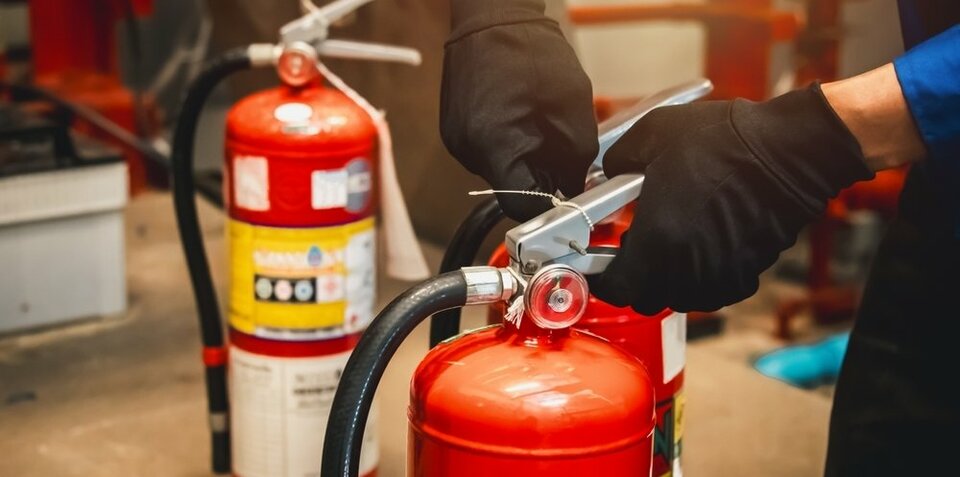
With so many regulations and sources of advice available, it can be hard for organisations to distinguish between statutory legal compliance and best practice.
“Recommended”, “required”, and “legally mandated” are terms that are often used interchangeably, which can naturally cause some confusion. However, following the wrong guidance can increase the risk of legal issues.
To help you feel confident in your business efforts, we’ve put together a guide to which safety checks and inspections you legally must carry out, versus those that are strongly recommended.
We’ve compiled a list of safety checks that are not optional under any circumstances. The following tests, assessments, and checks are legally mandated, which means they must be carried out by law:
Fire risk assessments
Are fire risk assessments a legal requirement? Yes. Under the Regulatory Reform (Fire Safety) Order 2005, all businesses must complete a Fire Risk Assessment, whether you run an office or pub, manage a retail unit or school, or are the landlord of an HMO or rental property. You must also keep it up to date by law.
At phs Compliance, we offer comprehensive fire risk assessments which include documentation, recommended actions, as well as evidence of testing as standard, to ensure that you meet legislatory requirements.
To get your EICR, it is important to have your facility’s fixed wiring tested by fully trained and qualified engineers, which is something we guarantee in our EICR Fixed Wire Inspection and Certification service.
Under the Fire Safety Order mentioned earlier, businesses have a legal duty to test and maintain all emergency lighting and fire alarms within the premises. This is to ensure that they function as they should during a fire emergency and subsequent evacuation.
We’re proud to be the UK’s leading fully accredited specialists in the testing, servicing, and maintenance of fire alarm systems, and can offer:
This statutory check is only relevant to systems containing fluorinated gases, such as air conditioning and heat pump systems, and is legally required under F-Gas regulations.
The rules state that air conditioning and heat pump leak checks must be performed on relevant equipment at specific intervals. Non-compliance could result in regulatory fines.
It’s best to see “best practices” as industry-recommended routines, rather than legally mandated responsibilities. You won’t get into trouble if you don’t carry them out; however, not doing so can potentially increase safety risks and invalidate insurance claims.
PAT testing is not a legal requirement. However, it is the most important industry-standard method for proving compliance.
It is also worth remembering that the Electricity at Work Regulations 1989 state that portable electrical equipment must be safe and maintained by law, which definitely warrants PAT testing.
Thermographic surveys use infrared heat detection to test and inspect a building’s electrical circuits, and can ensure compliance under the Electricity at Work Regulations 1989.
They are not mandatory compliance inspections, but they are certainly worthwhile. Thermographic surveys allow professionals to detect overheating circuits, identify loose connections, and prevent future costly electrical failures.
For this reason, they are highly recommended checks for manufacturing businesses and data centres that rely heavily on electrical systems.
With over 30 years of experience in the statutory inspection sector, our friendly engineers know which checks are legally required and which are not mandatory but are recommended for UK businesses.
Contact us today to learn more about how we can help, and we’ll put together a tailored compliance plan to support your business operations.

Following successful competitive tendering, phs Compliance was awarded a contract for electrical power distribution installation services to the Trust’s adult mental health services. Across the site,

phs Compliance has delivered multiple compliance services to leading UK hotel groups for many years. We’ve delivered electrical installation inspection services, portable and fixed appliance
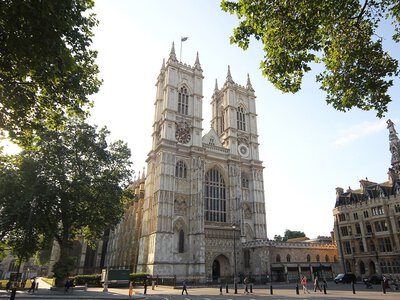
phs Compliance began working with Westminster Abbey in 2015, delivering electrical fixed wire, portable appliance and emergency lighting inspection and testing services across Westminster Abbey’s

phs Compliance began working with the club in 2017 delivering electrical fixed wire inspection and testing services across the stadium and training ground areas. The stadium is one of the largest in
This site uses cookies that enable us to make improvements, provide relevant content, and for analytics purposes. For more details, see our Cookie Policy. By clicking Accept, you consent to our use of cookies.
