

As regulatory scrutiny intensifies and customer expectations evolve, retailers are under increasing pressure to maintain high standards of electrical and fire safety across their estates. We sat down with Jonathan Mackie, Managing Director at phs Compliance, to explore the challenges, innovations, and future of safety in the retail sector.
Q: What are the biggest compliance challenges retailers face with electrical safety testing across multiple sites?
Jonathan Mackie: “The biggest challenge is minimising disruption to store operations—especially during peak trading periods like the festive season. Retailers also struggle with maintaining service consistency across multiple locations. High asset uptime is critical to ensure stores remain functional and visually appealing, so we aim for high first-time fix rates to avoid repeat visits.”
Q: How does phs Compliance ensure consistency across national retail chains?
Jonathan: “We prioritise using our own engineers who follow consistent processes and adhere to our standards. Engineers are assigned to specific stores to ensure consistency and familiarity with unique assets. This boosts efficiency and quickly addresses store-specific challenges. Using common materials and components, we maintain a consistent asset register, aiding in identifying failure trends for lifecycle replacements. Our lifecycle management ensures uniform asset types, delivering a consistent retail experience at every store. This approach highlights our dedication to quality and consistency in our service strategy.”
Q: Are there any emerging technologies or innovations being used to streamline electrical testing processes?
Jonathan: “Absolutely. IoT (Internet of Things) and sensor technologies are now being embedded into electrical equipment to enable continuous data streaming. This supports a shift toward condition-led maintenance. We’re also using infrared thermography to detect early signs of electrical faults— Thermal imaging can take place between standard test periods to identify pre-failure warnings and implement predictive maintenance solutions. The benefits are higher asset uptime, non-intrusive inspections, risk reduction and prioritisation of remedial works. It also supports enhanced energy performance in the building.
Q: What trends are you seeing in fire safety compliance within retail?
Jonathan: “The biggest trend is increased regulatory scrutiny. Retail premises account for 20% of all Fire and Rescue Service audits, yet only 58% are deemed satisfactory. That’s a concern. Multi-site retailers are demanding consistent compliance across their estates, which is only achievable with a national provider like phs that employs its own engineers. We’re also seeing a push for digitalised fire safety data and the use of AI and sensors to predict asset failure.”
Q: Can you share how fire risk assessments are tailored to different retail environments?
Jonathan: “While all retail environments fall under the same legislation - the Regulatory Reform (Fire Safety) Order 2025 and the Fire Safety Act - the responsibilities differ. On the high street, the store operator is responsible. In shopping centres, it’s a shared responsibility between centre management and tenants. Risk assessments are more dynamic in shopping centres due to changing layouts and pop-up stores.”
Q: What role does training play in fire safety compliance?
Jonathan: “It’s vital. All our engineers are trained to Level 6 in Fire Safety Engineering, and our assessors meet the BS 8674:2005 competency framework. We run weekly toolbox talks and regular skill refreshers to keep everyone up to date with legislation and best practices.”
Q: What are the most common remedial actions in retail settings, and how are they prioritised?
Jonathan: “We often deal with issues like damaged luminaires, failed emergency lighting, and faulty sockets or appliances. These are prioritised using EICR codes—C1 for immediate danger, C2 for potential danger, and so on. We also need to remember that these are retail environments where the shopping experience is significant, so remedial works that perhaps would be lower priority in other environments are completed to maintain a good quality retail experience. Similarly they are all live environments to public safety is critical.
Q: Beyond energy savings, what benefits are retailers seeing from switching to LED lighting?
Jonathan: There are several benefits retails are seeing when switching to LED including:
• Enhancing retail / shopper experience through improved lighting and the ability to customise the ambience of the store.
• Reduced disruption due to longer lifecycle of the luminaries, this extends to reduced maintenance and improved waste avoidance with the reduction in bulb changes.
• Heat reduction which reduces fire risk in high stocked areas but also provides an improved retail experience.
Q: How do LED solutions integrate with smart building systems?
Jonathan: “LEDs can be integrated with sensors and automation to adjust lighting based on footfall or daylight levels—what we call daylight harvesting. When connected to a Building Management System (BMS), they help optimise space usage and energy efficiency.”
Q: How do you manage scheduling minimise disruption to retail operations during testing?
Jonathan: “We schedule intrusive tasks out of hours or during low-traffic periods. Non-intrusive tasks can be done during trading hours. We avoid major works during seasonal peaks unless it’s a C1 or C2 issue.”
Thank you, Jonathan, for sitting down with us and sharing your insights into the evolving landscape of compliance in the retail sector. Your expertise offers valuable guidance for retailers navigating the complexities of safety, technology, and customer experience.

Our Project Services division won a significant M&E project following a successful tender submission to a large NHS Foundation Trust in the Midlands, the main provider of acute hospital and
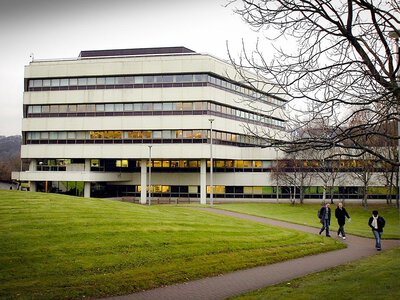
Part of a 170-strong nationwide estate, the Yorkshire HMRC site provides taxation services for individuals and corporations along with secure data centre operations. PHS Compliance began delivering

phs Compliance began working with our client in 2015, delivering electrical fixed wire inspection and testing services across one hundred per cent of the hospital estate. Completed in 2010 at a cost

phs Compliance began working with the club in 2017 delivering electrical fixed wire inspection and testing services across the stadium and training ground areas. The stadium is one of the largest in
This site uses cookies that enable us to make improvements, provide relevant content, and for analytics purposes. For more details, see our Cookie Policy. By clicking Accept, you consent to our use of cookies.
