
Electrical Remedial Works
Statutory electrical inspection & testing is a critical first step in your health and safety compliance regime. Upon completion of each installation inspection, the duty holder receives an Electrical Installation Condition Report (EICR).
Unless electrical installations are deemed to be satisfactory, your EICR will contain a detailed list of observations of and deviations from British Standard BS 7671 in terms of the nature and severity of deviations.

Remedial works are repairs and improvements to address issues that have arisen from an inspection and test of electrical equipment. These inspections are known as Electrical installation condition report (EICR) emergency lighting inspection and test (EMLI&T), Fire alarm inspection and test (FAI&T).
When an Electrical test and inspection is carried out, organisations receive an Electrical Installation Condition Report (EICR).Emergency lighting inspection and test (EMLI&T), Fire alarm inspection and test (FAI&T).
The EICR will show a detailed list of observations and recommendations, including the severity of the issues found.
Depending on the severity of the Issues identified in the inspection report, you might need electrical remedial works to rectify any defects that have been highlighted.
We’re a leading name in commercial electrical services, testing and repair. We cover all sectors across the UK including:

Fully accredited
You can trust our accreditations from NICEIC, UKAS, BIFM, CHAS & more. All our repairs are completed in accordance with the relevant British standards.
Nationwide Coverage and Rapid Response
We cover the whole of the UK including Northern Ireland and the Republic of Ireland. Our local teams can get to you quickly and efficiently.
Competitive Pricing
We regularly benchmark and review our prices. Our aim is to offer a locally priced service with national expertise.
Decades of Experience
With over 30 years’ experience across all sectors, you can trust our knowledge in carrying out electrical remedial works.
We offer a full service from inspection and testing to repairs and maintenance, providing an audit trail that is clear to understand and demonstrates full compliance with duty holder obligations.
Here’s how we carry out remedial electrical work:
We can carry out an electrical inspection and test or assess one already completed by another firm. We’ll then give you a schedule of the work needed and a quote.
We’ll carry out all the urgent and recommended repairs and upgrades and advise you on any other non-urgent recommendations. These often don’t require work but should be considered.
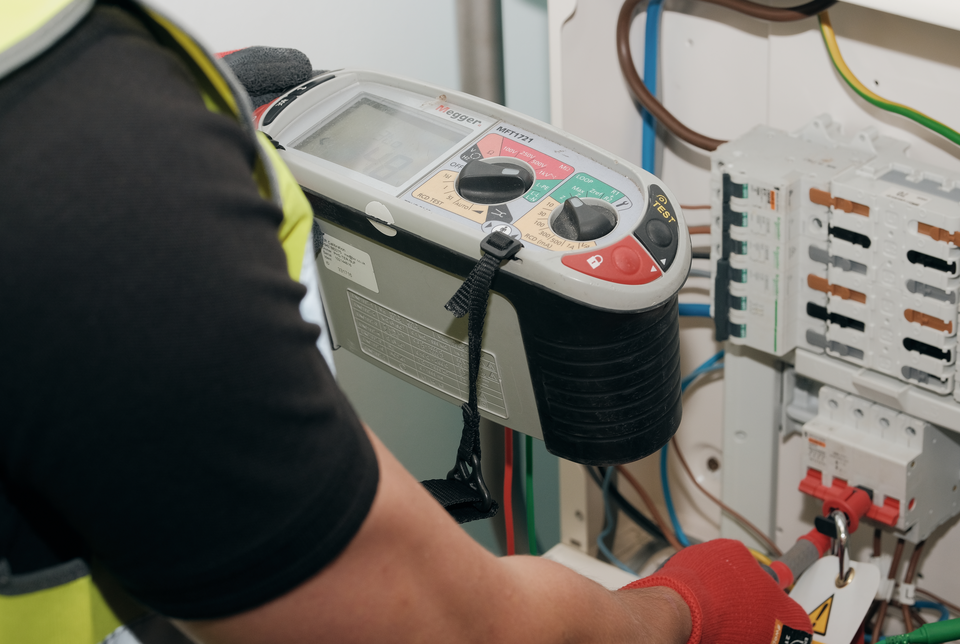
Electrical inspection and test reports use four codes to classify the severity of issues found during an inspection. Remedial works are then advised depending on the category.
These codes are categorised as:
Immediate and urgent remedial works must be taken to avoid risk of injury or electric shock.
C1
Your electrics are safe, and no remedial works are needed, but there’s room for improvement to bring it up to the current edition of the standards.
C3
Urgent works are needed but there’s no immediate risk of injury or shock. You should take electrical remedial action asap to fix the issue before it potentially gets worse.
C2
Another investigation is needed to find the exact issue and determine the next steps. You should take immediate advice from a qualified electrical engineer to find the problem before you can demonstrate all defects highlighted have been rectified.
FI
Defects involving C1, C2 or FI codes require the responsible person – the property manager or owner – to take immediate action.
Our remedial electrical services can fix a range of different issues including:
Damaged or worn cable insulation that hasn’t yet exposed a live wire. This needs attention before it gets worse and increases the risk fire or injury.
Modern regulations require RCDs to prevent injury and electric shock; you must get this upgraded if you have an outdated system.
Immediate risk of electric shock or fire. Live wires need urgent repair or isolation and will be one of the most dangerous things found in an Electrical inspection report, classified as a C1.
Often need further investigation if they are found during an EICR. It’s important to find the problem to stay safe and compliant.
Too many devices on one circuit can cause overheating and fire risk. Redistribution or new circuits may be needed if any are carrying more current than they’re designed to.
Can lead to intermittent faults or overheating. It’s essential these are found and fixed to prevent disruption and damage.
Keeping all circuits labelled keeps your electrics clearer, organised and safer to work on. Unlabelled or unclear circuits can make fault finding and maintenance more dangerous.
Our offices are nationwide so we can cover the whole of the UK including Northern Ireland and Republic of Ireland.
There’s no set cost as it depends on the Electrical inspection and test report, the best way to get an accurate price is to contact us for a free no obligation quote.
This depends on how often the Electrical inspection report is completed. For example an EICR frequency depends on the sector and the risk your electrical installation presents. For example, swimming pools should have annual inspections, whilst offices might have them every 5 years. Remedial works will then follow each report if needed.
If you are looking for an electrical safety operator, the standards you need to be looking for include:
Yes, we can work off another companies EICR. Once the work is done, we’ll issue an Electrical Installation Certificate and / or a Minor Works Certificate depending on the job. This is then evidenced alongside your original EICR to demonstrate compliance.
Power might have to be turned off depending on the work needed, we can work with you to ensure this causes the least amount of disruption to your business. If this needs to be on weekends, bank holidays evenings or nights, we can help.
Our electrical remedial engineers are fully qualified to C&G 2360 Parts 1 & 2, C&G 2391/2394 & 2395 combined, BS 7671 18th edition, IPAF and PASMA.
Yes, all of our remedial electricians have an up-to-date DBS check.

Electrical appliances are used by most businesses on a daily business. Therefore, it Is vital that these appliances are regularly tested to ensure they are safe to use. phs Compliance can provide
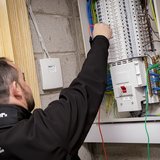
phs Compliance offer a comprehensive Fixed Wire Testing service for businesses across the whole of the UK. As part of this testing, you will be provided with an Electrical Installation Condition

Regular inspection and testing of emergency escape lighting is a statutory obligation of building owners and employers under the Regulatory Reform (Fire Safety) Order 2005 as well as a range of
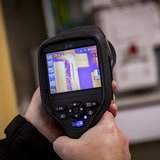
Regular testing and inspection of your private or commercial building's electrical circuits is essential to ensure compliance with your statutory obligations under The Electricity at Work
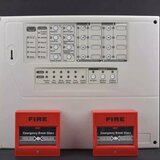
phs Compliance is one of the UK's leading fully accredited specialists in the testing, servicing and maintenance of fire alarm systems, with nationwide coverage and 160 expert engineers ensuring
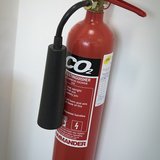
Ensuring that all fire extinguishers are fully functioning and well maintained throughout your building is an intrinsic part of the fire safety duty of care of all building operators and employers.

It is the responsibility of all employers and building owners to have a regularly updated fire risk assessment conducted to ascertain if the correct fire safety measures are in place and identify

Leak testing is required by law for air conditioning systems and components in workplaces, since fluorinated gases can be contained within refrigerant gas used for chilling and cooling.The European


phs Compliance worked with our Tier 1 facilities management client to deliver an extensive plant room de-commissioning and installation project across three schools in North West England. The project
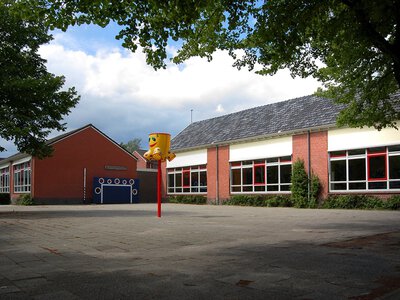
Supporting our Tier 1 facilities management client, phs Compliance began working across three primary schools in the Midlands delivering gas heating appliance and plant room installation across the

Commissioned by a partner organisation, phs Compliance installed and commissioned new electrical power and data cabling works to 392 court rooms across 109 Magistrates' Courts room as part of a

Through our Tier 1 facilities management customer, we delivered mechanical installation and project works to one of their clients, the worlds’ largest provider of flexible workspace solutions with
This site uses cookies that enable us to make improvements, provide relevant content, and for analytics purposes. For more details, see our Cookie Policy. By clicking Accept, you consent to our use of cookies.
