
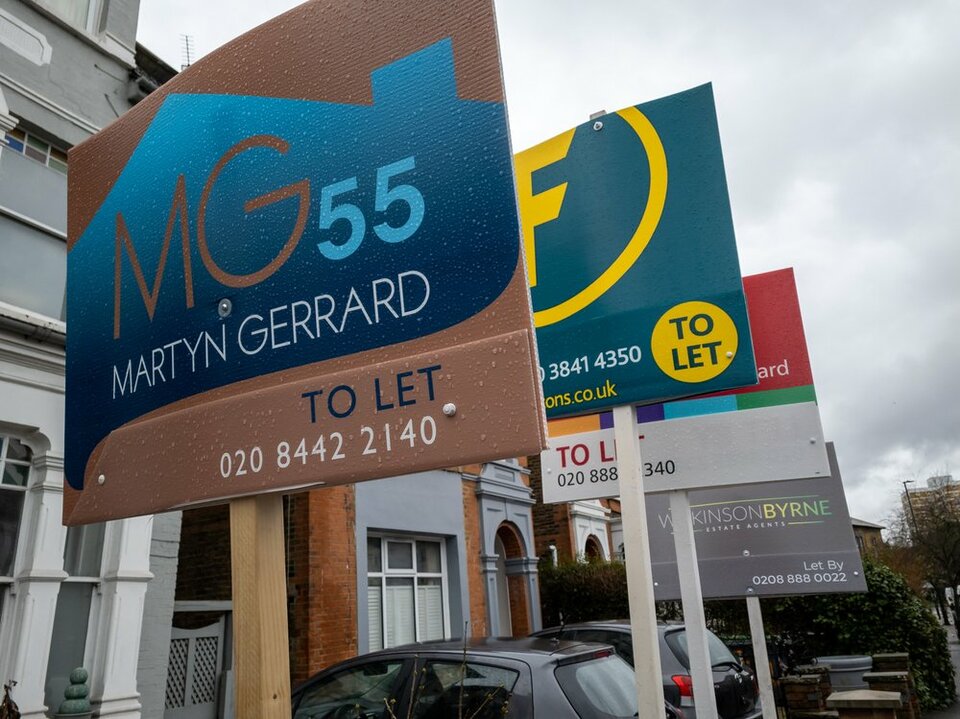
As a landlord, EICR compliance is a fundamental responsibility. Electrical safety is vital for protecting your tenants and reducing risks.
But as new EICR regulations come into place, what will the changes mean for commercial real estate and the public sector?
Since 2020, private landlords have been required to inspect and test electrical installations every five years. For EICR compliance, private landlords must provide a copy of the report to tenants and the local authority (if required).
These private landlord electrical safety certificate rules have now been extended to the social housing sector. The changes came into force on the 1st of November 2025 for new tenancies, with regulations for existing tenancies taking effect in May 2026.
By aligning regulations in the private and social renting sectors, the government has imposed new legal and administrative responsibilities on social landlords.
While some social landlords have achieved EICR compliance as a matter of good practice, the update makes EICR Inspections and Certification (Fixed Wire Testing) mandatory. Here are the most significant changes to be aware of:
Social landlords must now ensure that EICR testing is carried out every five years. This requirement brings social housing in line with requirements for private landlords.
28-day deadline for providing the EICR to tenants A satisfactory EICR report must be issued to tenants within 28 days of testing being carried out. New tenants must be shown the report before moving in.
If the report finds any C1 (danger present), C2 (potential danger), or FI (further investigation needed) codes, remedial works must be carried out within 28 days.
As well as checking that sockets, wiring, and fixed electrical systems are compliant and safe, social landlords will be required to carry out PAT testing. You’ll need to test any appliances you provide, including cookers, fridges, and washing machines, for compliance with electrical safety standards.
Local authorities will have increased powers to serve remedial notices to social landlords. Additionally, the maximum fine will increase from £30,000 to £40,000.
If a tenant denies access, you will no longer need to bring legal proceedings to prove this. You will have a legal defence if you can show that a tenant refused access.
Still unsure about fixed wire testing for social housing? Read more on everything you need to know about EICR testing and report checks.
The Grenfell fire has been the catalyst for ensuring electrical safety standards in social housing. Clearly, this has implications for large residential property portfolios, not least in terms of increased administrative workload.
The EICR update is part of a package of stricter safety measures, including an update to the Decent Homes standard. You’ll be expected to embed inspections and EICR remedial works within a tight timeframe or face a maximum non-compliance penalty of £40,000.
As a result, taking a proactive stance is key to EICR compliance. You should undertake a policy review and ensure your budgeting and resource planning can withstand the additional pressures of testing and remedial works. Ensuring certified electricians carry out all inspections will keep you compliant and your tenants safe.
The new rules will mean tighter regulations for anyone with an extensive portfolio of residential properties, including:
If you manage university accommodation, electrical compliance is now a legal duty. You must:
Managers of large BTR portfolios will need to act now to meet commercial EICR requirements. Auditing your existing EICR certificates and creating a renewal schedule, updating tenancy agreements, and keeping accurate paper and digital records are vital first steps. You should also budget and plan now for any uptick in EICR remedial works.
As an employer providing housing, you must comply with the EICR update, including undertaking fixed wire testing in your properties and PAT testing, if necessary. Clear communication with your tenants is also vital, particularly when arranging access for remedial work.
Regulations are continually being updated, and the team at phs Compliance can help you stay on top of the changes.
Our EICR Inspections and Certification (Fixed Wire Testing) deliver a comprehensive service carried out by our fully accredited specialist inspectors.
Contact us today to get a quote and arrange your EICR and PAT testing.
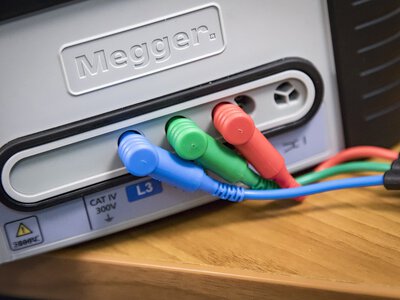
phs Compliance began working with our Tier 1 facilities management provider delivering electrical safety compliance services across two large hospital sites within the UK’s largest NHS Trust. With

Supporting our Tier 1 facilities management client, phs Compliance began working across three primary schools in the Midlands delivering gas heating appliance and plant room installation across the

phs Compliance began working with Westminster Abbey in 2015, delivering electrical fixed wire, portable appliance and emergency lighting inspection and testing services across Westminster Abbey’s

phs Compliance successfully won through competitive tendering a major electrical project at a large and fully operational police station. The work involved installing and commissioning a new
This site uses cookies that enable us to make improvements, provide relevant content, and for analytics purposes. For more details, see our Cookie Policy. By clicking Accept, you consent to our use of cookies.
